How to Choose the Right Influencer for Your Brand

Work with influencers whose followers look like your customers, not the ones with the most followers. For your first campaign, a few dozen nano- and micro-influencers with up to 100,000 followers usually beat one big influencer for the same budget. Most US and European brands do this, and research backs it up. Then rebook the ones who performed well.
The question of who to work with usually comes down to one well-known influencer or a dozen smaller ones. We compared recent reports and studies to see how brands in different markets make that choice. Here’s what the research says and what we’ve concluded.
Which influencers brands choose in different markets
The reports use different methods, so their numbers differ. But they all point in the same direction.
| Market | Source | What the data shows |
|---|---|---|
| US and global | Influencer Marketing Hub | 52.8% of brands plan to do more with micro-influencers, 51.4% with nano, only 20.6% with macro |
| Europe | Kolsquare | 70.9% work with micro-influencers, 59.7% with macro, 30.5% with nano, 24.6% with celebrities |
| US and Western Europe | YPulse | 73% trust smaller influencers more than big ones; 62% are tired of seeing the same big names |
| China | industry reviews | Brands are adding everyday shoppers with small followings (KOCs) alongside key opinion leaders (KOLs) |
Kolsquare’s European study adds one more detail. Companies that are newer to influencer marketing, with less than two years of experience, are the ones most likely to name follower count as their main selection criterion. Experienced teams look at content quality (42.1%), engagement (37.8%) and authenticity (34.7%). Industry reviews of the Chinese market describe a similar shift: brands keep working with key opinion leaders, but increasingly pair them with recommendations from everyday shoppers.
Why brands are moving away from big influencers
The most convincing explanation comes from a study in the Journal of Marketing. The authors analyzed more than 800 sponsored Instagram campaigns with 1,700 influencers and ran experiments. The more followers an influencer has, the bigger the reach, but the weaker the bond between each follower and the influencer. At some point the weaker bond outweighs the extra reach, and engagement with sponsored posts drops. Audiences of mid-sized influencers respond best.
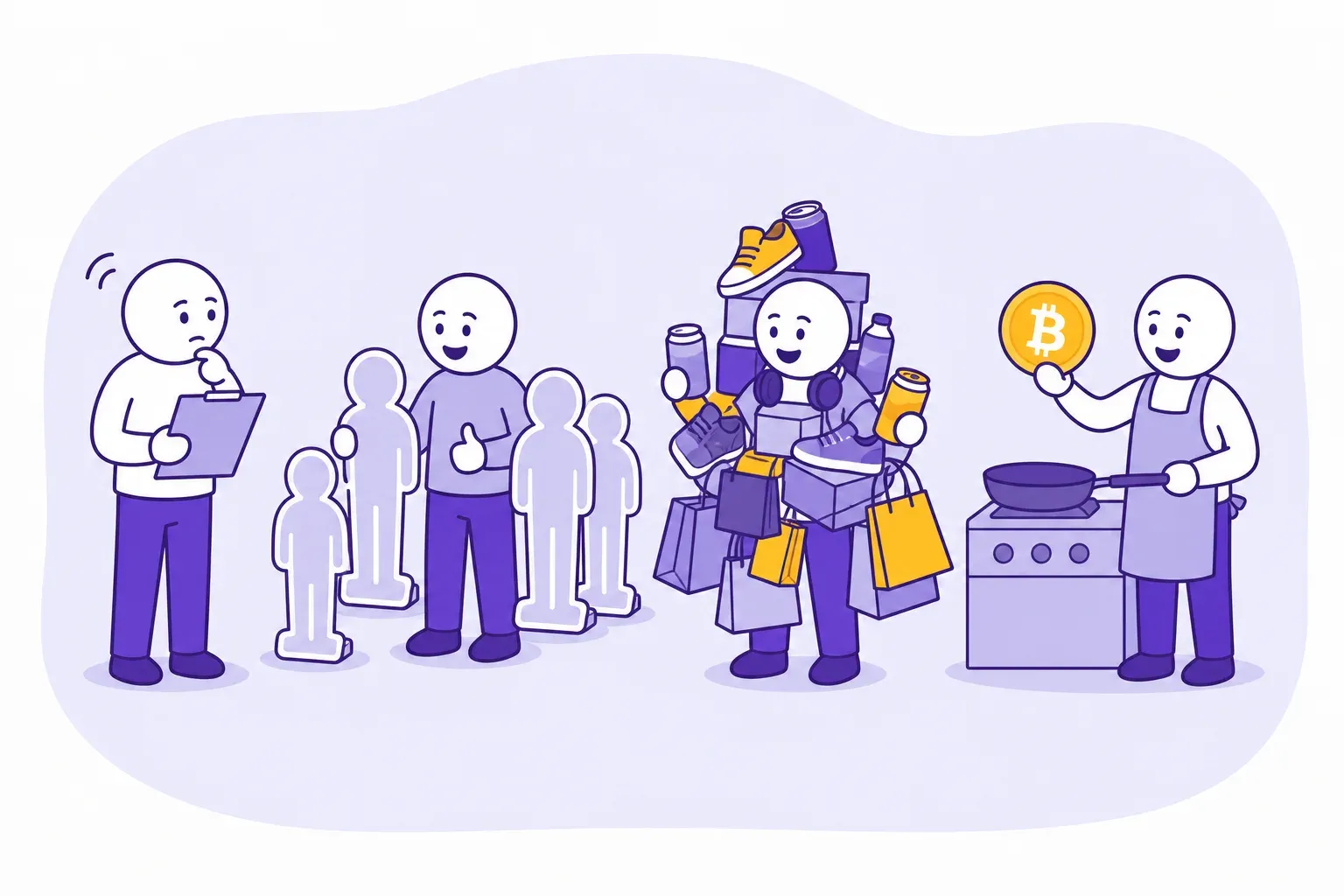
Consumer surveys say the same. In YPulse’s research, 73% of young people in the US and Western Europe said they trust smaller influencers more. Experiments confirm it. In a University of Auckland study published in the Journal of Advertising, micro-influencers with 10,000 to 100,000 followers were more persuasive than mega-influencers, because their endorsements came across as more authentic. And according to a study in the Journal of Advertising Research, when a product doesn’t fit what the influencer usually talks about, followers trust the influencer less and the ad is less effective. A big influencer with millions of followers has a weaker bond with each of them and runs more sponsored posts. Both work against the advertiser.
When to work with big influencers
You don’t need to drop big influencers altogether, but they make sense once your brand is ready for them.
- Your budget is big enough that one post won’t eat up all of it.
- You know your unique selling proposition and your target audience, and can tell the influencer who to talk to and what to say.
- You’ve already worked with smaller influencers and know which messages and angles work for your brand.
With that in place, a big influencer helps you scale what you’ve already tested. In EPICSTARS campaigns we see two cases where big influencers outperform mid-sized ones, and the Journal of Marketing study shows the same.
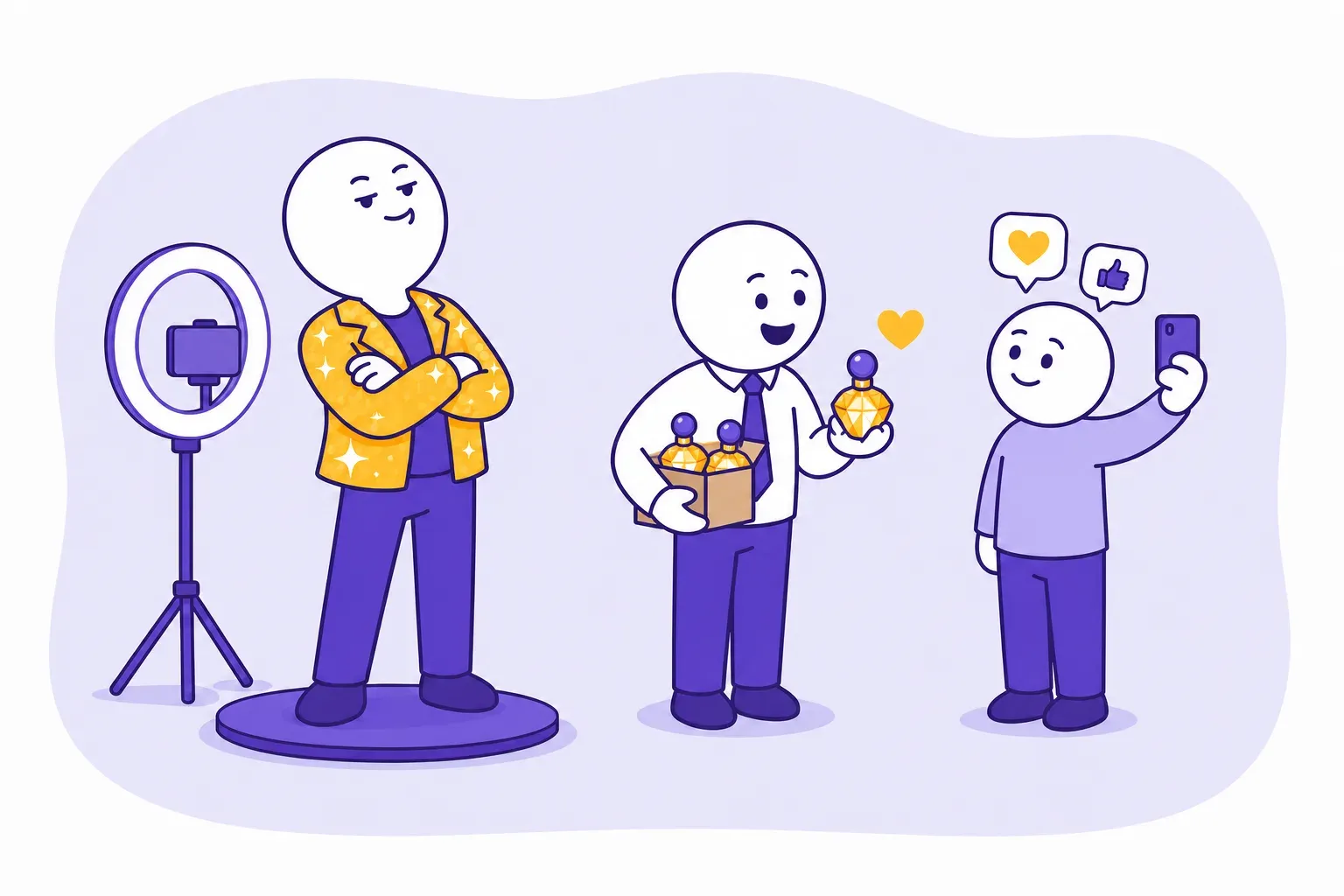
Few people know your brand yet. Then the main job is getting your name out, and a big influencer’s reach matters more than a close bond with followers.
The influencer speaks in their own words. When influencers create sponsored content in their own style instead of repeating the brand’s talking points, both big and small influencers get more engagement than mid-sized ones. Hand a big influencer a script, and the post will perform noticeably worse.
One more argument for big influencers is that they mean less work: one deal instead of thirty. But you pay more for the same reach, and it’s harder to tell what actually worked.
What about nano-influencers?
In Europe, only 30.5% of brands work with nano-influencers, those with up to 10,000 followers. Yet most brands that come to EPICSTARS ask for nano-influencers specifically, and with good reason.
They’re a lot like your customers. A nano-influencer lives much like their followers do and speaks their language. A 2023 study in the Journal of Marketing found that the fewer followers an influencer has, the closer the bond with them and the more the influencer’s language matches their audience’s.
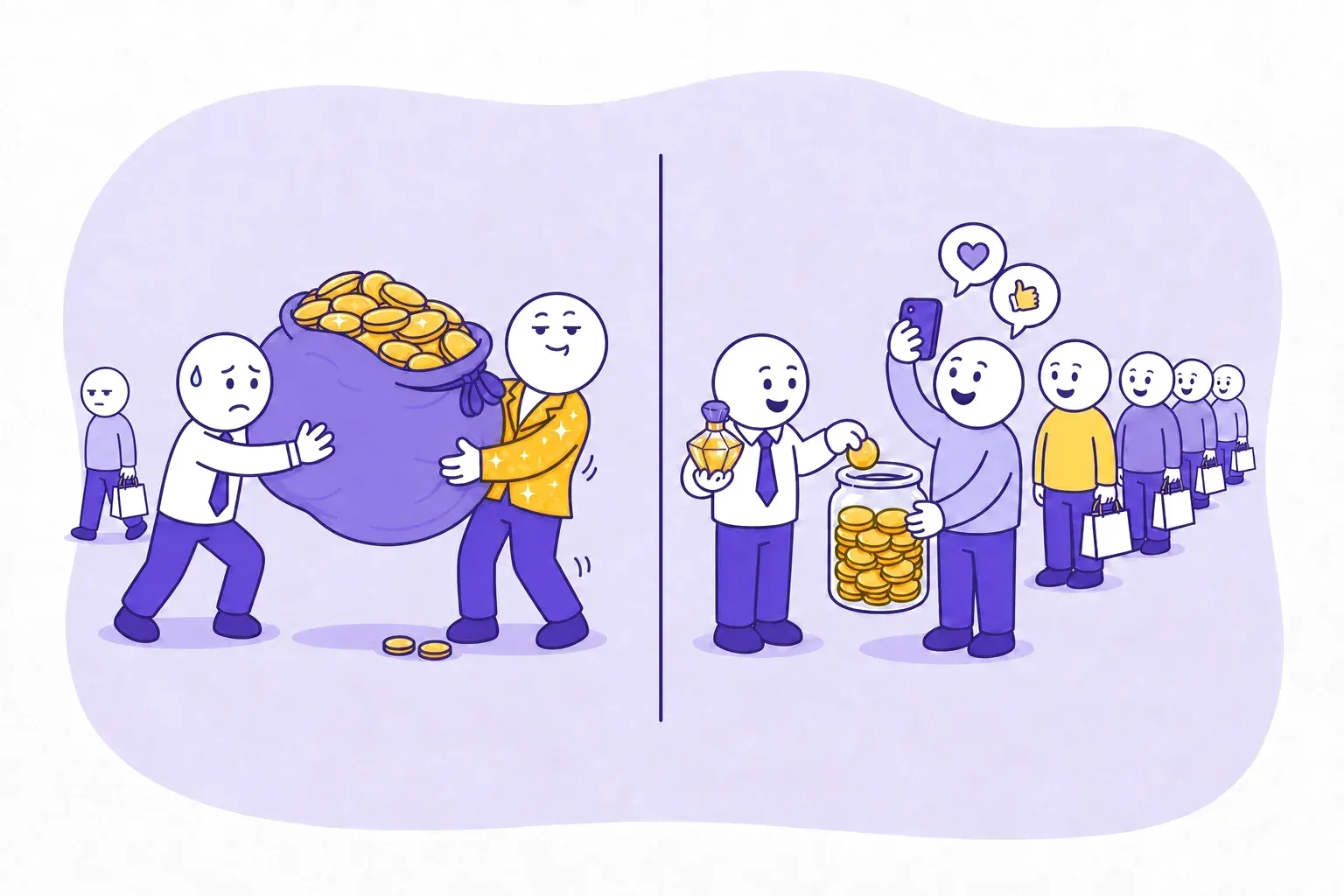
They deliver more per dollar. The same study matched influencer discount codes to almost 1.9 million products sold by a leading European online retailer and ran field studies with 319 influencers. Macro-influencers brought in six times more revenue but cost 18 times more. As a result, nano-influencers delivered more than three times the return on spend.
Their followers trust them more. Nano-influencers post few ads. A study in the Journal of Product & Brand Management found that the more commercial an influencer’s content looks, the less followers trust both the influencer and their posts.
They’re easier to work with. In our experience at EPICSTARS, nano-influencers are more open to collaborations and more often agree to post in exchange for free product instead of a fee.
Nano-influencers have one drawback, and it’s a practical one. To reach a meaningful audience, you need dozens or even hundreds of them, and with each one you have to negotiate, approve the post and check that it went live. That’s a lot of work to do yourself, but an agency can take it on.
Nano-influencers aren’t just for local businesses and niche products. They work for almost any brand, and best of all when you turn them into an ongoing channel where the same influencers talk about your product again and again. We covered how to find influencers near your location in our guide on how to find local influencers.
How to choose influencers
We compared the reports with what we see in EPICSTARS campaigns and arrived at six rules.
1. Audience matters more than size
Start by looking for influencers whose followers resemble your potential customers in country, language, age and interests. A hundred thousand followers in another country won’t buy anything from you.
2. Look for influencers who rarely do sponsored posts
The less often an influencer runs sponsored content, the more their audience trusts it. The Journal of Product & Brand Management study mentioned above found that the more commercial an influencer’s feed looks, the less followers trust both the influencer and their posts. If every other post is an ad, followers have learned to scroll past. An influencer who promotes rarely, and only what they use, gets a response you can’t buy from a big influencer. These influencers take longer to find and are harder to persuade, but they deliver the best results.
3. Start with smaller influencers, and many of them
For your first campaign, work with about twenty nano- and micro-influencers with up to 100,000 followers if you sell online. If you run a local business, five local nano- or micro-influencers are enough. Lots of smaller posts let you test different audiences and angles, and after the campaign you can see what worked. One post from a big influencer gives you one result, and you can’t tell whether it could have been better. We explain why the first campaign should be treated as a test in our guide on how to choose an influencer marketing agency.
4. Match the type of influencer to your goal
| Goal | Who to work with |
|---|---|
| Build awareness for a new brand | One or two big influencers, with creative freedom |
| Sales for an online store or app | 20–50 nano- and micro-influencers, with promo codes or UTM-tagged links |
| Customers for a restaurant, salon or store | Local nano- and micro-influencers |
| A complex or expensive product, B2B | Experts in your industry, even with small audiences |
| Videos for your own ads and website | UGC creators, who make content for the brand rather than for their followers |
Experts for complex or expensive products and B2B are key opinion leaders. They may have few followers, but their word carries more weight.
Here’s a hypothetical example. Say you want to get in front of 200,000 followers. You could do it with one big influencer, ten micro-influencers with 20,000 followers each, or twenty nano-influencers with 10,000 each. The cost won’t be the same. Using the ballpark prices in the table below, one post from a big influencer starts at $5,000, ten micro-influencer posts cost $1,000–15,000, and twenty nano-influencer posts cost $200–5,000. The ranges are wide, but nano-influencers almost always come out cheaper.
With the same budget and reach, we’d pick nano-influencers. Their followers feel closer to them, they post few ads, and twenty posts instead of one show you which influencers and which angles work. In the Journal of Marketing study, nano-influencers also delivered three times the return on spend of macro-influencers. But this only works if you can ship the product to twenty influencers, give each one their own promo code or UTM link, and have someone handle the negotiations. If you need to make a big splash fast and your messaging is already tested, a big influencer is the better fit.
5. Pick the platform where your customers are
In Europe, 90.6% of brands work with Instagram, 66.5% with TikTok and 63.5% with YouTube, but these are averages. In Kolsquare’s study, TikTok’s share fell 12.5 percentage points in a year across all seven countries, while Facebook grew. Choose the platform based on where your customers spend their time, not on popularity rankings.
6. Go back to the influencers who performed well
Promoting the same product with the same influencer again builds trust. Followers see that the influencer didn’t just do the paid post and forget about the product, but actually uses it. So after your first campaign, keep the best performers and build long-term partnerships with them. In Europe, 59.2% of companies plan to put more money into long-term partnerships.
How much influencers of different sizes charge
| Influencer size | Followers | Price per sponsored post |
|---|---|---|
| Nano | 1,000–10,000 | $10–250 |
| Micro | 10,000–100,000 | $100–1,500 |
| Macro | 100,000–1 million | $5,000–12,000 and up |
| Mega and celebrities | 1 million+ | negotiated |
These are ballpark figures, not a price list: the typical range in the US market according to public industry reviews, 2026. YouTube is usually more expensive, TikTok cheaper.
Compare the cost of reaching your audience, not the total price. Five posts from micro-influencers at $300 each often bring in more customers than one post from a big influencer at $1,500.
Influencers to avoid
Influencers with fake followers. In Influencer Marketing Hub’s report, bots and bought followers make up 56.5% of the fraud and quality issues brands ran into. Check follower growth, post reach and comments before you pay.
Influencers whose every post is an ad. Their audience no longer trusts recommendations, and your post will just blend in with the rest.
Influencers who post AI-generated videos. In a 2026 Gartner survey, 35% of US consumers said they rely on influencers less because of AI-generated content.
Influencers with no connection to your product. A food influencer who suddenly promotes a crypto exchange will burn through your budget and some of their own credibility.
Why campaigns with more than five influencers are hard to run yourself
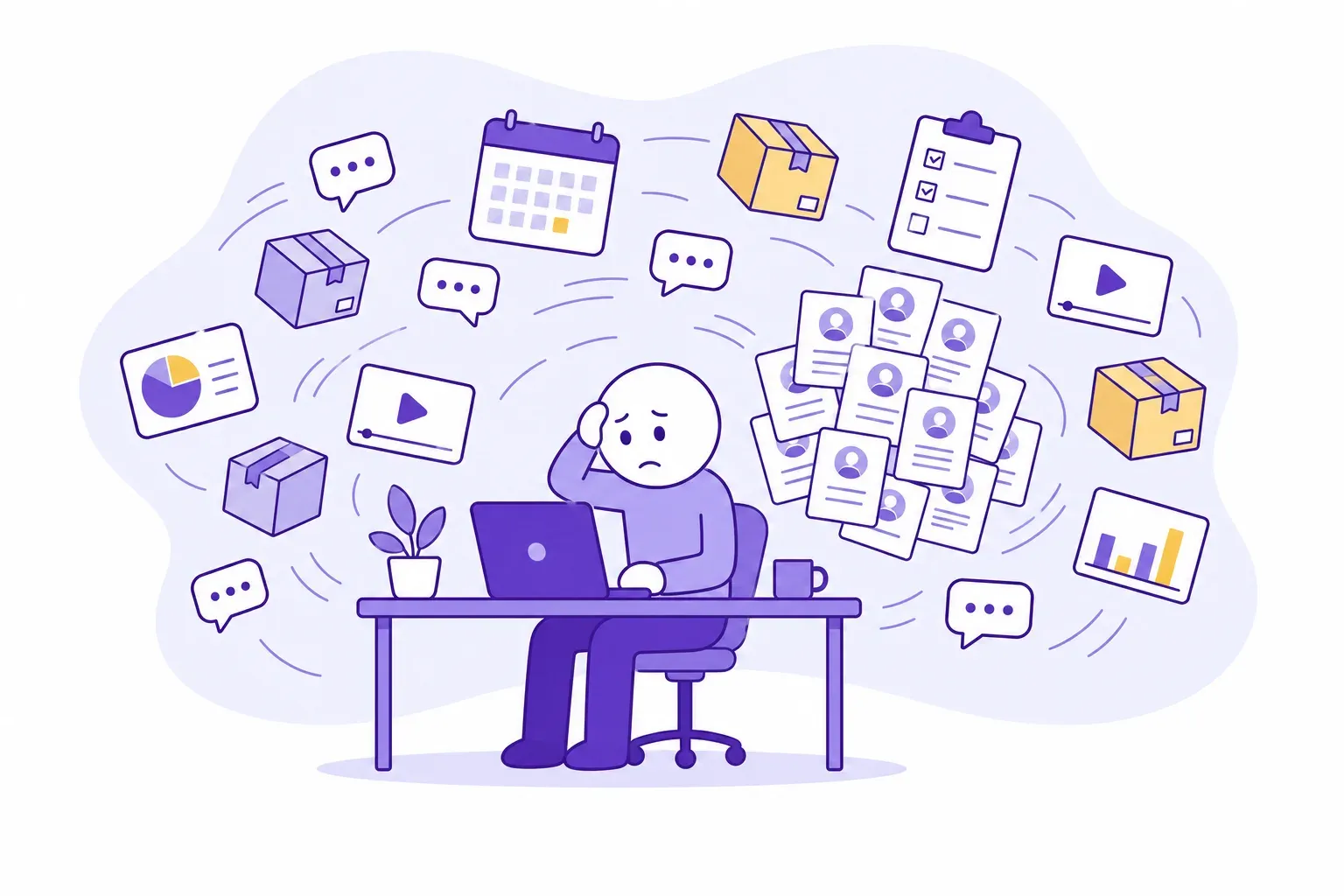
If you only need five influencers and know exactly who you want, you can reach out to them yourself. A campaign with twenty, fifty or a hundred influencers is a different job. Here is what it involves.
- Sourcing. To pick twenty suitable influencers, you may need to review up to fifteen hundred accounts.
- Vetting. For every candidate, you need to confirm that the audience is real and resembles your customers, and that followers and reach aren’t inflated.
- Outreach. You have to contact hundreds of influencers, because most won’t reply or will say no.
- Negotiation. With everyone who agrees, you need to settle the price and timing and, if needed, ship the product.
- Approval. Every video or post needs to be reviewed before it goes live and sent back for changes if something is off.
- Monitoring. You need to make sure each post goes live on time and without mistakes.
- Analytics. At the end, you need to pull the numbers from promo codes and UTM links and work out how many customers each influencer brought in, and at what cost.
- Scaling. Based on the results, you keep the influencers who performed well, run new posts with them and find new influencers similar to your best ones. With each new round, the whole cycle starts over.
Each step repeats dozens of times, and all of it falls on whoever runs the campaign.
EPICSTARS does this work for you. We find influencers who match your audience, negotiate with them, monitor every post and report results for each one. You get the reach of a big influencer and the trust that smaller influencers earn, while you focus on your product. You can work with our influencer marketing agency at any scale, starting with a small test campaign.
Frequently asked questions
Which influencers are best to work with?
Those whose followers resemble your customers and who post few ads. Size comes second. For most brands, that means nano- and micro-influencers with up to 100,000 followers, as data from the US and Europe and peer-reviewed marketing research show.
Is one big influencer better than many smaller ones?
For your first campaign, many smaller ones are better. You’ll see what works and won’t bet your whole budget on a single post. One big influencer makes sense when you have the budget, your messaging is already tested with smaller influencers, and your brand needs to reach as many people as possible, fast.
How many influencers should I work with in my first campaign?
About twenty if you sell online, and at least five if you run a local business with a physical location. Fewer won’t give you enough variety; more is hard to manage on a first launch.
Do nano-influencers work?
Yes, for almost any business. Their followers feel closer to them, they post few ads, and they deliver three times the return on spend of macro-influencers. But each one reaches few people, so you need many of them, and that means a lot of negotiating. That work is easier to hand to an agency.
The bottom line
Work with influencers whose followers look like your customers and who post few ads, because audiences trust their recommendations more. Start with a few dozen nano- and micro-influencers, track each one’s results with promo codes or UTM links, and keep the ones that perform. That way you get the reach of a big influencer and the trust that only smaller influencers have.