What Is KOL Marketing? A Practical Guide for Brands

KOL marketing means promoting products in partnership with someone who has recognized authority in a particular field. KOL stands for Key Opinion Leader. That authority comes from knowledge, practical experience, and reputation, so follower count alone does not establish expertise.
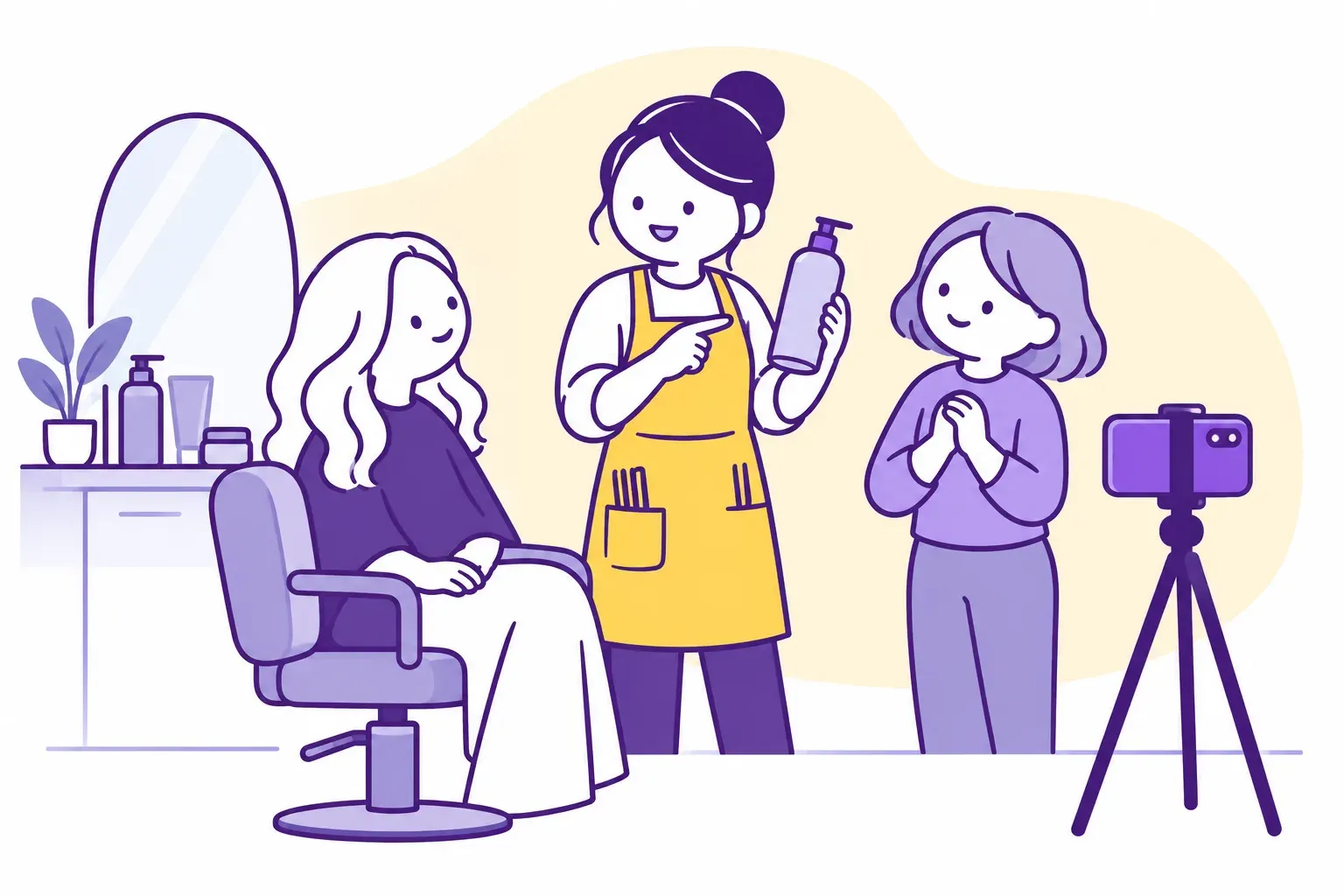
People do not have to follow an expert to value their advice: relevant qualifications and a clear explanation can give first-time viewers a reason to listen. For example, a dentist explains how to choose toothpaste, a mechanic discusses engine oil, or a hairdresser demonstrates a product at work. The content can appear on the specialist’s account or through the brand’s landing page, product page, or ads. The expert does not need a social media following to take part.
KOL vs. influencer: where the roles overlap
The term KOL emphasizes a person’s authority on a particular subject. Influencers shape their audience’s opinions through their content, but people may follow them for different reasons. Someone can be both: a practicing hairdresser who shares hair care advice on Instagram, for example. A KOL does not need a large social media audience.
Look beyond the labels “expert” and “influencer.” Consider why people turn to this person: practical advice, inspiration, entertainment, or a combination. Ask what makes their opinion relevant to your product.
If you plan to publish on the specialist’s account, check whether their audience includes your buyers. Professional authority does not replace audience research.
Examples of KOLs across four industries
These are hypothetical examples. In each case, the profession is only part of the picture: clients, readers, or peers recognize the person’s knowledge and value their judgment.
Consumer products and services
-
Food and cooking. A chef trusted by home cooks explains how to choose a frying pan: which stove it will be used on, what dishes the buyer will cook, and how to care for it.

-
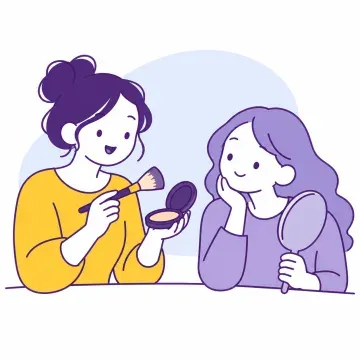
Beauty. Clients turn to a makeup artist for help choosing makeup. In a foundation review, they demonstrate application and explain how to achieve the desired coverage without a mask-like finish.
-
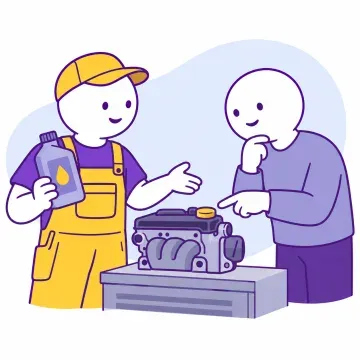
Automotive. A mechanic trusted by car owners for maintenance demonstrates how to check an engine oil’s manufacturer approval against the vehicle manufacturer’s requirements. The recommendation answers a specific question: is this product suitable for my car?
B2B products and services
-
Analytics and software. An analytics leader whom peers consult about software implementation builds a report in a new platform. They walk through the process, from connecting data to the finished report and point out what required manual configuration.

What the research says

Research gives brands a reason to consider expertise when choosing a partner. But the studies address different questions: how competent someone appears, and who is more persuasive in a particular setting—an expert, consumer, or celebrity.
A recent meta-analysis: expertise and brand attitudes
Han and Balabanis (2024) combined findings from 53 studies. The more expert an influencer seemed to their audience, the better people felt about the brand and the more likely they were to say they’d buy. They examined expertise and trustworthiness separately: knowing the subject and being trusted to give an honest recommendation are different things.
Expertise and follower count tell you different things
Spörl-Wang, Krause, and Henkel (2025) reviewed 93 articles covering 108 studies. Overall, expertise was linked to a stronger intent to buy. They could not draw the same confident conclusion for follower count. That doesn’t make reach useless. The researchers looked at how individual traits relate to intent to buy; they didn’t compare expert campaigns with campaigns run by popular influencers.
A better product evaluation does not always mean stronger purchase intent
Wang (2005) found that positive expert and consumer endorsements both improved attitudes toward a product. But among people already interested in the product, what made them more ready to buy was endorsements from other consumers and how much they trusted those consumers. Expert endorsements didn’t. Professional status does not automatically make an endorsement more persuasive than a customer’s recommendation.
Product familiarity changes the expert’s role
Jeon and colleagues (2024) conducted two experiments involving upcycled food, made from repurposed food ingredients that might otherwise go unused. When people didn’t know a product well, expert endorsements did more to build confidence and intent to buy. When they knew it well, celebrity endorsements worked better. The finding applies to the studied category, but suggests a useful hypothesis to test: an expert may be especially relevant when buyers need help understanding an unfamiliar product.
Expertise can strengthen persuasion
Wilson and Sherrell (1993) combined findings from persuasion research. Among the characteristics of the person delivering a message, expertise stood out as particularly influential. This supports considering a spokesperson’s competence, without predicting a campaign’s sales increase.
For a brand, the practical lesson is to consider the partner’s competence and the buyer’s situation, then test the approach in a campaign. Liking a product, planning to buy it, and actually buying it are three different outcomes. Also, the reviews may include some of the same studies, so these five papers aren’t five separate proofs of the same effect.
When a KOL partnership makes sense
What the buyer needs to understand
Start with the buyer’s question. Consider a KOL partnership when buyers need an explanation of how a product works, where it is useful, and what its limitations are.
Use the buyer’s own questions: “Will this do what I need?” “How difficult is it to use?” “What would implementation involve?” Then identify the experience needed to answer them.
Connect three things in the brief: the buyer’s question, the specialist’s experience, and the content you want them to produce.
When to choose a different approach
Choose another approach if you cannot explain why the product needs this particular expertise. If the task is to show an item in everyday life, consider an influencer with a suitable audience without requiring professional credentials.
Pass on candidates whose expertise is unrelated to the product. If you plan to publish on their account, check whether their posts reach your buyers. For B2B, check whether they address people involved in choosing the product: leaders, users, or technical specialists.
What a KOL campaign can look like
Expert reviews and product demonstrations
Ask your partner to demonstrate the product in a specific situation, explain their choices, and describe the conditions in which they used it.
For example, a chef could cook with a pan, show how they handle and clean it, and discuss what they find convenient or awkward. Instead of prescribing an enthusiastic review, agree on questions the specialist will address after trying the product.
An expert in brand content: landing pages and ads
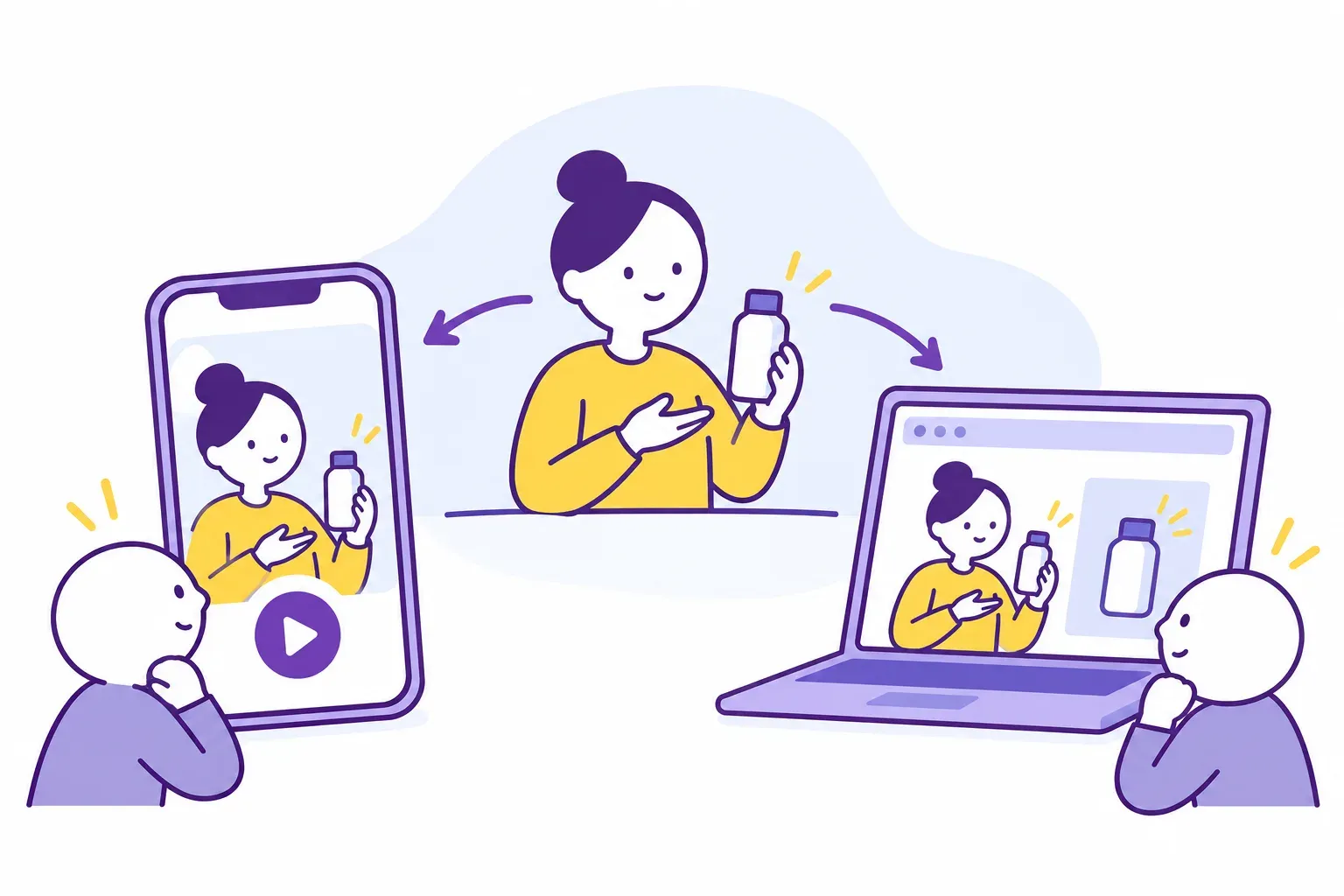
Choose where the content will appear. You can publish on the specialist’s account or feature them on a landing page, product page, or in a brand ad. In the latter case, the brand’s channels and advertising provide distribution; the expert does not need a social media following.
Introduce their profession, relevant qualifications, and experience, and show them at work. Viewers should understand why this person can assess the product. Clothing or an “expert” label alone does not establish expertise.
Hypothetical examples include a plumber demonstrating a faucet installation in an ad or a dentist explaining toothpaste selection on a brand page. In both cases, the brand draws on the participant’s professional authority and handles distribution. When choosing a partner, check the evidence of their expertise and why buyers would value their judgment.
Educational content and webinars
For a complex product, ask the specialist to use it to complete a work task. For a hypothetical B2B example, an analyst could demonstrate how to build a report using the software, what data is needed, and what the demonstration does not cover.
A webinar could address the same task and allow time for questions. Choose the format according to what needs demonstrating and what needs discussion.
EPICSTARS case study: hair care
We promoted a professional hair care product on the Instagram accounts of hairdressers who used it in their own work. We tried several messages for people who care for their hair at home. This is the one that worked.
“A hairdresser uses this product. If a pro chooses it, it’s worth a look.”
EPICSTARS case study: skin care
We promoted a skin care product through skin care professionals who used it with their clients. Here, a different approach worked. The pros explained to people caring for their skin at home what the product is, how and why it works, and how to use it.
In both campaigns, we tested several approaches at once. For professionals, we talked about how easy the product is to work with. For consumers, we said that pros choose it and explained how it works. We used videos, on-camera explanations, Stories, and text posts. The specialists showed how to apply the product and explained its properties.
These messages may work differently for your product. Try several options, and decide before launch which metrics you’ll use to compare them.
How to verify and choose a KOL for your brand

Check these five things before choosing a partner.
Expertise: what do they know and what can they do?
Review the candidate’s work, projects, and professional training. Ask them to walk you through a project similar to yours and explain the decisions they made.
Evidence depends on the field: a portfolio for a stylist, or a completed project and technical explanation for an engineer. Look for relevant qualifications where appropriate; the same credentials will not apply to every profession.
Recognition: who considers them an authority?
Look at who seeks their advice, references their work, or invites them to share experience. This might include clients, peers, or members of a professional community.
Focus on the relevant topic: what do people ask them, and why do they value the answers? A large follower count does not replace this check.
Trustworthiness: how do they support a recommendation?
Review a previous sponsored post. Does the specialist explain why they recommend the product, the conditions in which they used it, and any limitations? Can you distinguish their observations from advertising claims?
Decide in advance what happens if the product does not suit them. Establish a process for checking facts, but do not require a positive review before they try it. Competence and sincerity are separate questions.
Scope: does their experience relate to your product?
Match the specific task to the candidate’s experience. A hairdresser can assess how a product performs in their work; that does not establish expertise on every aspect of hair and skin health.
Be clear about what they can assess from experience and which claims need additional evidence.
Distribution: how will the content reach buyers?
For a brand landing page or ad, plan how you will reach buyers. Look for someone who can explain the product clearly and make their relevant experience clear to viewers.
For a post on the partner’s account, request audience data: market, language, interests, and, for B2B, professional tasks. Compare it with the content and discussions on the account.
Be clear about whom the content is for: the buyer, end user, technical evaluator, or decision-maker. For products sold for use at home, the explanation should make sense to consumers, rather than only to fellow hairdressers.
What to agree on before your first KOL campaign
Goal, audience, and topic
Prepare a short brief that answers three questions:
- Who should see the content, and what decision should they make?
- What prevents them from understanding the product?
- Which questions can the partner explain through their own experience?
A hypothetical brief such as “Explain how to use a professional hair care product at home” is more useful than “Create a positive post.” Agree on a next action too: read instructions, view the product, or request a demonstration.
Format, deadlines, and usage rights
Put the format, deliverables, channel, product trial period, and publication dates in writing. Include a process for checking facts and making corrections, along with the brand’s rights to reuse the content.
Distinguish substantiated product information from the partner’s personal observations. For example, salon use alone does not establish that a product is suitable for home care; check this separately. Back up claims about product properties and effects with supporting evidence.
Provide instructions and supporting materials, then ask the specialist to explain their experience in their own words. Check advertising disclosure and product-claim requirements for the relevant market and category before launch.
Request a quote that covers the agreed scope: the partner’s work, production, necessary samples, usage rights, and coordination.
How to measure a KOL campaign
Which metrics fit the goal?
Before publication, agree on the outcome you want and how you will measure it:
| Goal | What to request or set up | What to assess |
|---|---|---|
| Introduce the product | Available content reach and view data | Distribution of the content |
| Explain product use | Video completion data, where available, and substantive audience questions | Attention and topics needing clarification |
| Bring visitors to a website | Separate links with UTM parameters | Recorded campaign visits |
| Generate inquiries | Inquiry tracking and an agreed definition of a qualified inquiry | Inquiries meeting your qualification criteria |
| Generate purchases | Order tracking and agreed attribution rules | Orders linked to the campaign in your reporting |
A view does not establish product understanding, and a visit is not a purchase. If product understanding is the goal, consider a short survey asking what people learned and what remains unclear.
UTM parameters in links identify campaigns referring traffic. Configure and test the links before publication.
How to test whether a specialist’s introduction helps on landing pages and in ads
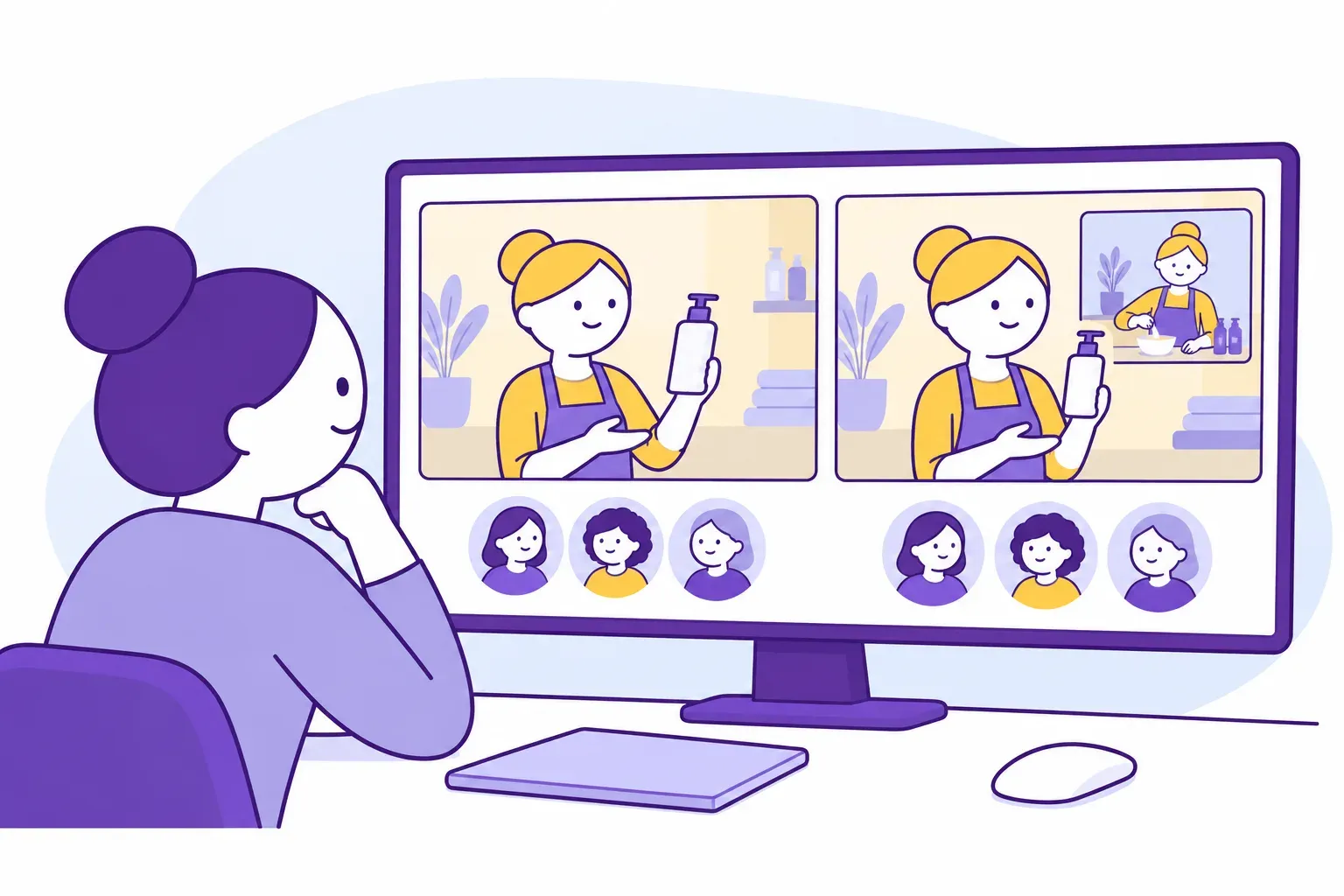
For brand-distributed content, test two versions featuring the same real specialist. Keep the product explanation in both, but add truthful details about their profession and relevant experience to one. Keep the explanation, offer, format, and delivery settings the same.
Choose the outcome before launch: trust in the recommendation through a short survey, inquiries, or purchases. Where possible, randomly assign the audience to the versions. On a landing page, change only the specialist’s introduction. In a video, add their profession and experience while keeping the rest of the content unchanged.
This shows whether telling viewers about their qualifications helps that specific piece of content. It does not compare a real expert with a non-expert. If you also change the script, the person on screen, or the audience, it gets harder to tell what the expertise itself added.
What data is available, and what can it prove?
Before launch, decide who will provide the data, which actions you will track, and over what period. Work with the sales team to define a qualified lead. For orders, document how you will attribute purchases to the campaign.
Attribution is how you figure out which marketing led to a purchase or inquiry. A buyer may see several pieces of content before ordering. Explain how you count sales, such as by the last click. The report reflects that rule; it does not prove that one piece of content was the only influence.
If sales data is unavailable, state which outcomes you were able to measure.
When to work with an agency
Consider an agency when you need an external team for sourcing partners, negotiations, and content coordination. Start the discussion with your product, market, audience, and the question the expert should answer.
Before choosing an agency, ask how it will assess a KOL’s experience and fit with your product, what the service includes, and what reporting you will receive. Agree on responsibility for facts, deadlines, and usage rights.
To discuss partner selection and campaign coordination, visit the EPICSTARS influencer marketing agency page.